
Charging Network Infrastructure
Technical Information
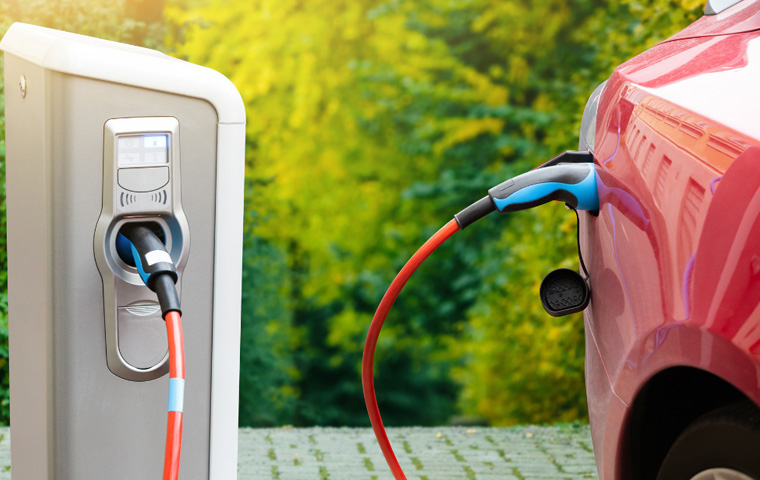
Charging Network Infrastructure
Flexibility and Scalability in Charging Infrastructure with OCPP
Electric vehicles are now on the agenda not only of individual users, but also of large fleets and municipalities. With this transformation, the management of charging infrastructure is becoming a critical issue. At this point, OCPP (Open Charge Point Protocol) stands out not just as a communication language, but also as the key to building a sustainable and flexible charging infrastructure.
OCPP's Place in the System
OCPP acts as a bridge between the charging station (hardware) and the central management software (backend). Charging points are controlled by commands from OCPP, send status information, and share user data.
? Example structure:
Charge Point: Physical hardware
OCPP Client: Runs inside the charging device
OCPP Server: Located in central software (e.g., a Charge Point Management System - CPMS)
Data Flow: Bidirectional, JSON-based communication over WebSocket
This structure provides manufacturer and system independence. This means you can use a charging station you buy today with a different software system in the future.
Ease of Integration
Thanks to OCPP's open structure, developers can easily integrate charging stations into different software systems. This both makes the job easier for technical teams and enables companies to bring their products to market faster.
At the API level, OCPP is suitable for modern software architectures:
JSON-supported messaging
Asynchronous communication model
Event-based notification infrastructure
Compatible with today's cloud-based systems
Contribution to Business Model
OCPP is not just a technical protocol, but also a tool that liberates the business model. Thanks to OCPP-supported systems:
Charge operators can select devices without being dependent on a brand
Businesses can develop their own custom software and produce brand-independent solutions
Advanced models such as subscription systems, user authentication mechanisms, and dynamic pricing can be implemented
Smart Grid Compatibility
New generation OCPP versions (especially 2.0.1) offer great advantages in terms of energy management. Especially thanks to smart charging and load balancing features:
Load on the grid is optimized
Electricity costs are reduced
Renewable energy sources can be used more efficiently
These features are of great importance not only for end users, but also for energy distribution companies and municipalities.
Contact us for more information and consultation.